Community Spotlight: Tucker, Utah
A Hidden Chapter Along US Route 6
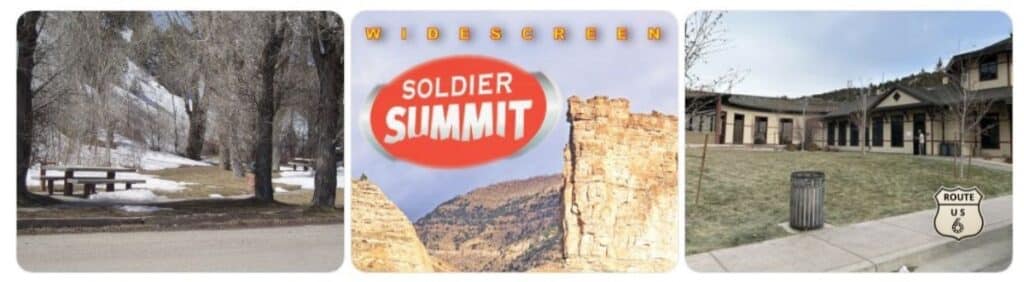
Tucked quietly into the canyon landscape along US Route 6, near the eastern end of the Spanish Fork River, Tucker, Utah is the kind of place you might pass without realizing the story beneath your wheels. Yet for those who take a moment to look closer, Tucker offers a powerful reminder of the people, industry, and determination that helped shape travel across the American West.
A Brief History of Tucker
Tucker began as more than just a dot on the map. In the late 1800s, it served as a vital hub for the Denver and Rio Grande Western Railroad during a time when railroads were the lifeline of expansion.
Located about 7 miles below Soldier Summit, Tucker was strategically positioned as both a loading point and a construction camp. Here, crews worked tirelessly to push rail lines through rugged canyon terrain. Supplies were transferred, equipment staged, and the steady rhythm of progress echoed through the canyon.
At its peak, Tucker buzzed with activity. Workers, engineers, and freight all converged in this narrow corridor, turning a remote canyon into a center of purpose.
From Bustling Camp to Ghost Town
As rail technology improved and routes evolved, Tucker’s role gradually diminished. Like many railroad towns of its era, it faded as quickly as it rose.
Eventually abandoned, the site took on a quieter role when the state of Utah repurposed it as a roadside rest area along US Route 6. For decades, travelers unknowingly paused where railroad crews once labored.
Then, in 2009, progress came full circle. A highway realignment project along US Route 6 led to the burial of the original Tucker townsite, preserving it beneath layers of earth but removing visible traces from the surface.
The Legacy Lives On: Tie Fork Rest Area
Rather than letting Tucker disappear entirely, Utah honored its legacy by creating the Tie Fork Rest Area, located about two miles downstream.
Today, this modern rest stop offers more than just a place to stretch your legs. It provides:
- Scenic canyon views shaped by the same geography that challenged railroad builders
- Interpretive signage sharing the story of Tucker and the railroad era
- A quiet space to reflect on the layers of history beneath the landscape
Standing at Tie Fork, it is easy to imagine the sounds of steam engines, the clatter of tools, and the determination of those who carved a path through the mountains.
Why Tucker Still Matters
Tucker may be gone from view, but its story continues to resonate along US Route 6. It represents:
- The grit and ingenuity of early railroad construction
- The evolution of transportation, from rail to highway
- The importance of preserving stories, even when physical places disappear
There is something especially meaningful about places like Tucker. They remind us that not all destinations are marked by buildings or landmarks. Some exist only in memory, history, and the imagination of those willing to look a little deeper.
A Thought for Travelers
Next time you are driving US Route 6 through this stretch of Utah, consider pulling into the Tie Fork Rest Area. Take a moment. Look around.
You are not just stopping for a break.
You are standing on the edge of a story that helped shape the journey you are on today.
And in that quiet canyon, Tucker still lives.
Subscribe Today
Join fellow travelers, history lovers, and Route 6 supporters by signing up for the free Route 6 Happenings newsletter.It is your front row seat to the stories, destinations, and adventures waiting along US Route 6 . Subscribe